With cryptocurrency becoming more of an everyday finance tool and crypto speculation requiring speedy fund deployment, exchanges have also become more innovative in making crypto funds easily accessible while preserving security. One way crypto exchanges have achieved this is through the invention of the fiat wallet.
Before we delve into what a fiat wallet is, let’s take a quick look at both fiat and wallets.
As most of us are familiar with, a wallet is a physical or digital medium for storing money. In the crypto industry, a wallet can either be hot (online/mobile storage) or cold (offline/physical storage). Meanwhile, fiats are currencies issued and backed by the central financial institution of a government and are used daily across the globe. Examples of fiat include the US dollar, euro, or Japanese yen. Back to fiat wallet.
Fiat Wallet Meaning: What is a Fiat Wallet?
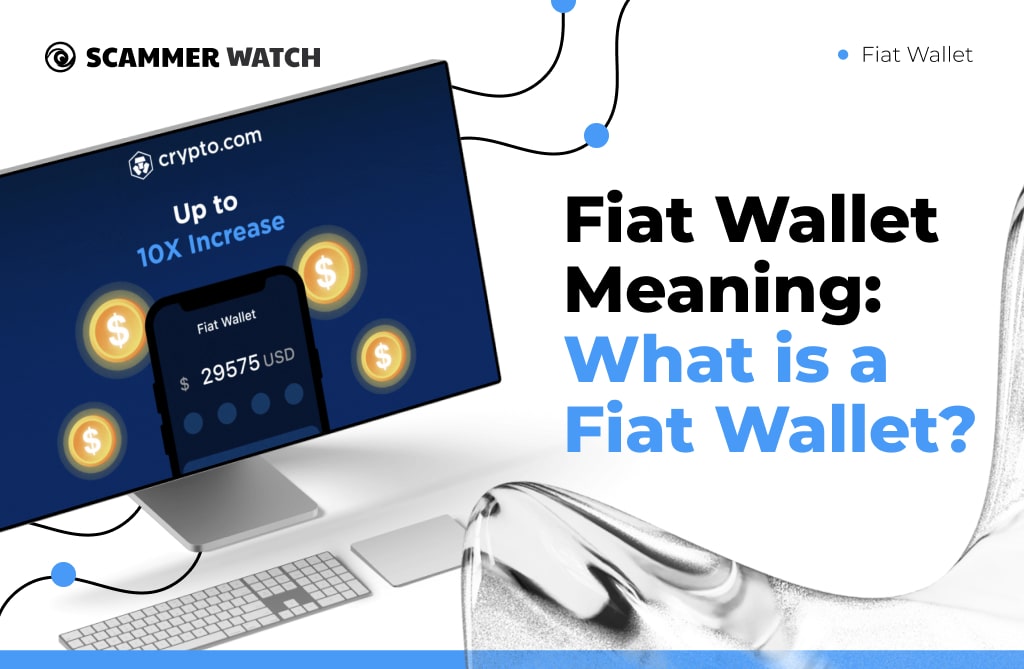
In simple terms, a fiat wallet is a digital platform, usually issued by a cryptocurrency exchange, used to store fiat currencies. Fiat wallets provide quick and easy access to funds for crypto purchases. These wallets can be used to store a variety of currencies like the dollar, euro, Swiss franc, Pound Sterling, and Turkish lira.
Understanding Fiat Wallets
To better understand what a fiat wallet is, think of an online bank account; both platforms are used for storing fiat currencies. Most crypto exchanges come with a fiat wallet that allows you to deposit fiat currency in your crypto account and have cash on standby for speedy crypto transactions, regardless of processing time or the payment method.
Fiat wallets provide significant liquidity for high-frequency traders or traders looking to take quick trying opportunities. For example, imagine the crypto market suffers an unexpected correction running into double-digit declines. Transferring money from your bank account to your crypto wallet could take several hours or days, costing you a potentially profitable position. With a fiat wallet, such opportunities would hardly be missed. A fiat wallet essentially brings your bank to your crypto exchange.
To use a fiat wallet, all you have to do is link your crypto wallet to your bank account and transfer the desired amount. That said, bank transfers to your fiat wallet could take a while to process, but deploying those funds from the wallet occurs much quicker.
Alternatively, you could sell your crypto for fiat and store the funds in your wallet, ready to be used for the next transaction. The fiat wallet is more dynamic and flexible than the traditional online bank account.
Are Fiat Wallets Safe?
When it comes to safety or security, a fiat wallet is as good as the cryptocurrency exchange hosting it. As such, it is advisable to opt for fiat wallets on more reliable exchanges. Meanwhile, crypto and fiat wallets on the same exchange share similar levels of safety as the infrastructure for one is similar to the other.
After selecting a secure exchange for your wallet, the next advisable step to take would be to carry out other security measures like encryption, two-factor authentication (2FA), and using a strong password.
Custody Risk: Who Actually Holds Your Funds
A fiat wallet on a cryptocurrency exchange is a custodial account — this means the exchange holds your funds on your behalf. Unlike a bank account, fiat wallet balances on most crypto exchanges are not covered by government deposit protection schemes such as the FDIC (US), FSCS (UK), or equivalent bodies in other jurisdictions. If the exchange is hacked, becomes insolvent, or freezes withdrawals, your fiat wallet balance may be at risk.
Key custody risks to understand before using a fiat wallet on any exchange:
- Exchange insolvency: several major exchanges have failed or frozen withdrawals in recent years, leaving users unable to access their fiat wallet balances. Do not hold more in a fiat wallet than you are actively using for trading.
- Withdrawal freezes: exchanges can freeze fiat withdrawals at any time, including during periods of market stress, regulatory action, or technical failure. A fiat wallet balance is not the same as funds in your own bank account.
- Unregulated exchanges: fiat wallets on unregulated exchanges carry significantly higher custody risk. If the exchange is not licensed by a recognized financial regulator, there is no regulatory framework for how client fiat funds must be held or protected.
- Custodial vs. non-custodial: only non-custodial wallets give you direct control of your private keys and therefore direct control of your funds. Fiat wallets on exchanges are always custodial — you trust the exchange with your money.
Fiat Wallet vs. Crypto Wallet
For clarity purposes, the crypto wallet and fiat wallet are different wallet types. So what is the difference between fiat wallets and crypto wallets? The primary factor differentiating both wallets is the content stored in them. A crypto wallet can only store crypto, while a fiat wallet only accommodates fiat currencies. However, one fiat wallet feature is that it can double as a bank account, holding funds needed for crypto transactions.
And if you’re wondering how to move money from crypto wallet to fiat wallet, the answer will vary depending on the specific wallet. However, you should have no worries as the process is always straightforward.
Fake Fiat Wallet Pages — Phishing Risk
Fraudulent platforms frequently create fake wallet interfaces to deceive users into depositing fiat currency or cryptocurrency. A fake fiat wallet page may look identical to a legitimate exchange’s deposit interface — including the correct logo, color scheme, and layout — while routing funds directly to scammers.
Documented patterns of fake fiat wallet pages identified by ScammerWatch:
- Fake trading platforms: many of the unverified trading platforms reviewed by ScammerWatch display a fiat wallet interface showing a balance after the initial deposit — this balance is not real. The platform controls the displayed numbers and can set them to any value regardless of actual funds held.
- Phishing clones of real exchanges: attackers create pixel-perfect copies of legitimate exchange wallet pages. Any fiat deposited through a phishing clone goes directly to the attacker, not the real exchange.
- Fake “withdrawal confirmation” pages: some fraudulent platforms show a fake withdrawal being processed to delay the user from realizing their funds cannot be recovered.
- “Tax payment” or “withdrawal fee” demands: a common pattern on fraudulent fiat wallet interfaces is demanding an additional payment — framed as tax, verification fee, or withdrawal processing fee — before allowing withdrawal. Legitimate exchanges deduct fees from balances or charge them transparently. A demand for an external payment before releasing your balance is a documented fraud signal.
If you have encountered a platform with a fake fiat wallet interface, submit a report at scammerwatch.com/report-a-scam .
How to Make Deposits on Your Fiat Wallet
You can deposit money into your wallet easily, with no need for any technical assistance. Also, most platforms and devices have similar processes designed to transfer funds to or from your wallet. Narrated below is the step-by-step guide for making deposits:
- Locate and click on the deposit icon, usually on the navigation bar.
- Select the specific fiat wallet matching the currency you want to deposit.
- Choose a payment provider: your bank.
- Select the amount you wish to deposit to your wallet and then select ‘Go to Summary.’
- After agreeing to the terms and conditions attached to the transaction, you should get a confirmation pin in your messages or email.
- After confirming and entering the correct pin, the amount you transferred will be credited to your fiat wallet. As mentioned earlier, transactions from banks to fiat wallets could take a few days to reflect, so always exercise patience.
Making Withdrawals on Your Fiat Wallet
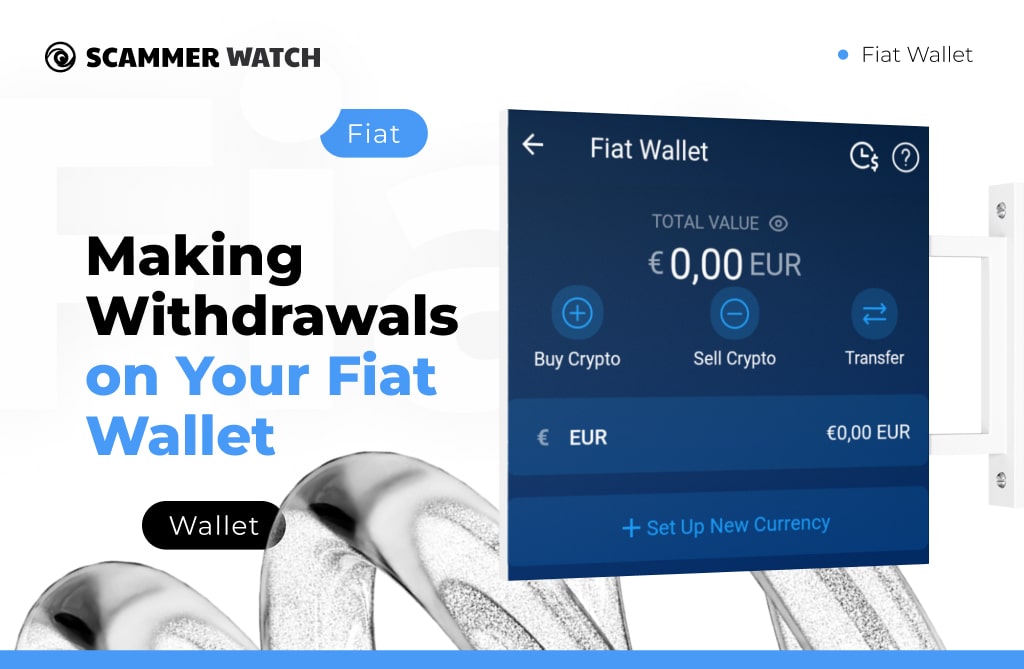
Like depositing, withdrawing funds from your fiat wallet is a straightforward process. To withdraw money from a funded fiat wallet, simply follow the steps narrated below:
- Locate and click on ‘Portfolio’ on your dashboard.
- Click on the ‘Currencies’ icon.
- Select the fiat wallet you want to withdraw from and click ‘Withdraw.’
- Select your choice payout account. Before now, you should’ve linked your bank account or preferred receiving account to your wallet.
- Enter the desired amount to be withdrawn and select ‘Go to Summary.’
- After confirming the transaction, you will receive a confirmation email with a ‘Confirm Transaction’ icon on it.
- Click on the icon and wait for your bank account to be credited.
Fiat Wallet Alternatives
While a fiat wallet serves as a necessary utility for many traders who like to have funds ready on the go, it hasn’t always existed. In the early crypto days, Bitcoin and Stablecoins, like USDT and USDC, played the role of cash reserve for traders.
Users could remain in the crypto ecosystem while exchanging funds for other cryptos. So, rather than withdraw funds into a fiat wallet, users converted to Bitcoin or Stablecoins. Most exchanges offer a variety of trading pairs against BTC or top Stablecoins. What this meant was that your funds remained tied and exposed to the whims of the crypto industry, a solution fiat wallet presented.
Also, users had to sell their Bitcoin or Stablecoin and convert to fiat first before being able to move the funds back into the banking system. That said, it is clear there is no real alternative to fiat wallets, considering the utility they serve. Other options can only stand as placeholders at best and not alternatives.

Pros and Cons of Fiat Wallets
While fiat currencies provide numerous benefits and utilities, like everything else, they have their drawdowns. Below are some of the pros and cons of this wallet type:
Pros
- Scarcity Immunity: The scarcity of any cryptocurrency, commodity, or other investment assets does not affect fiat currencies, given their universality.
- Flexibility: Fiat wallet provides immense flexibility for its users—both for retail and institutional use.
- Liquidity: As mentioned earlier, this wallet type provides significant liquidity and allows traders to “act on their feet.”
- Convenience: Of all the benefits fiat wallets have, the convenience they provide is their most understated advantage.
Cons
- Inflation: As with a bank account, holding fiat leaves you exposed to the occasional deterioration of the value of the currency. Cryptocurrency has been touted as an inflation hedge, giving it a clear advantage over fiat money.
- Dependent on Financial Institutions and Governments: Because they are issued by the central banks of a government, fiat currencies are exposed to the economic downturns or excesses of the issuing government.
Fiat Wallet Verification Checklist
Before depositing fiat into any wallet on a cryptocurrency exchange, run through the following checks.
Verify the Exchange
- Is the exchange regulated? Check whether it holds a valid license from a recognized financial authority — FCA, ASIC, CySEC, MAS, or equivalent. Verify the license number directly on the regulator’s official register, not through the exchange’s own website.
- Is client fiat segregated? Regulated exchanges are typically required to hold client fiat in segregated accounts separate from company funds. Check whether the exchange discloses this in its terms.
- Is fiat covered by a deposit protection scheme? Some regulated exchanges hold client fiat in partner banks that provide FDIC or FSCS coverage. Confirm this is explicitly stated — do not assume it.
- What is the withdrawal process? Verify that the withdrawal process is clearly documented before depositing. Test with a small withdrawal before committing significant funds.
Verify the Page You Are Using
- Check the URL character by character: before entering payment details on any wallet deposit page, verify the full domain — not just the first few characters. Look for subtle misspellings, extra hyphens, or wrong TLDs (e.g. .net instead of .com).
- Access the exchange through a saved bookmark: never access an exchange’s wallet page through a link in an email, SMS, or social media post. Type the URL directly or use a bookmark you created yourself.
- Verify the SSL certificate: click the padlock icon in the browser address bar and confirm the certificate is issued to the correct legal entity — not just that a padlock is present.
- Confirm the deposit address or account details independently: if you are sending funds via bank transfer, verify the receiving bank account details through the exchange’s official app or website — not through an email instruction.
Red Flags That Indicate a Fake Fiat Wallet
- Your balance increases immediately after registration without any verified deposit
- The platform demands an additional payment before you can withdraw your existing balance
- Withdrawal requests are always pending or require “verification” that requires further payment
- The platform has no verifiable legal entity, trading license, or regulated status
- The platform was introduced to you through a social media contact, romance relationship, or unsolicited message
Author